Mundus Urbano: a Master’s in international Cooperation and Urban Development
The Mundus Urbano program is a joint Master of Science in International Cooperation and Urban Development, organized by an alliance of four European universities:
the Technical University of Darmstadt (Germany), the Université Grenoble Alpes (France), the Università degli Studi di Roma Tor Vergata (Italy), and the International University of Catalonia (Spain).
Together, they provide a unique academic environment that connects architecture, social science, economics, and policy into one interdisciplinary framework.
International learning environment
Each year, around twenty-four students from roughly twenty countries take part. They come from a wide range of backgrounds — including architecture, engineering, journalism, sociology, and geography — creating a vibrant, multicultural classroom atmosphere.
The program lasts two years. The first year takes place at TU Darmstadt and follows an intensive daily schedule. Mornings are usually dedicated to elective courses such as German language, while afternoons focus on core modules. Attendance, active discussion, and teamwork are essential parts of the assessment.
Throughout the year, students participate in excursions, workshops, and international conferences. The second year offers study at one of the partner universities in France, Italy, or Spain, or the possibility to stay in Darmstadt and design an individual plan. This is followed by a professional internship and a master’s thesis.
Students who study abroad receive a double degree, awarded jointly by TU Darmstadt and the partner institution.
Learning Structure and Core Courses
The curriculum consists of short, intensive modules — each lasting one or two weeks and taught by professors and professionals from around the world. Courses range from Urban Planning and Globalization to United Nations simulations and World Food Program workshops, all taught in English.
The introductory course, Urban Planning and Construction, sets the academic foundation and is led by the program’s principal professor, who supervises students throughout the year. Work is mostly group-based: each week students complete assignments and present results every Friday.
One highlight of the academic year is the Urban Ecology excursion.
In 2015, the study trip explored Germany’s Ruhr region — once a vast industrial area later transformed into a World Heritage–listed industrial park. The trip focused on how former industrial territories can be regenerated into sustainable urban landscapes.
Interdisciplinary Topics

Fig. 1. A participatory planning dictionary presenting various concepts.
A wide variety of specialized courses allows students to explore different aspects of sustainable development. Participatory Planning and Sustainable Urban Development introduces the practice of involving residents and future users directly in the planning process — an approach still uncommon in many countries. During this course, students participated in a design competition for social housing in Düzce, Turkey, and created a Participatory Dictionary compiling examples of inclusive planning.
Water Supply and Wastewater Management examine methods of purification and waste recycling, with case studies including TU Darmstadt’s participation in China’s Semizentral project.
Project Organization and Management in Emergency Situations trains students to assess damage and coordinate disaster response. Each participant analyses their home country’s emergency management system and presents a case study of a natural disaster.
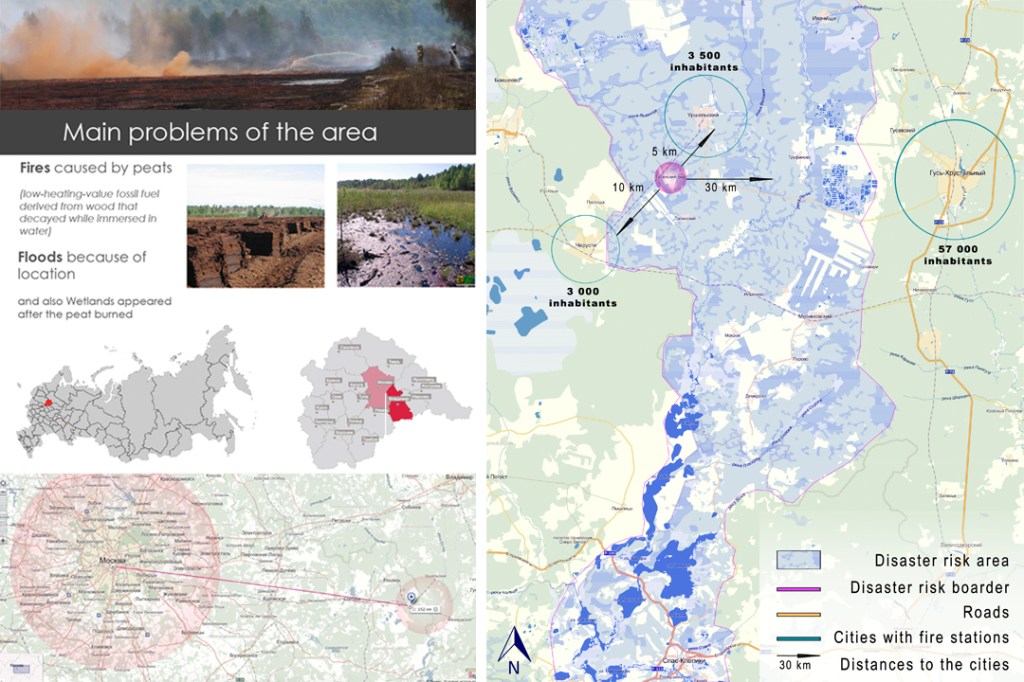
Fig. 2. An analysis of the local situation and the associated ecological risks.
Urban Sustainability focuses on sustainable city strategies and the use of Geographic Information Systems (GIS) for data collection, analysis, and risk forecasting.
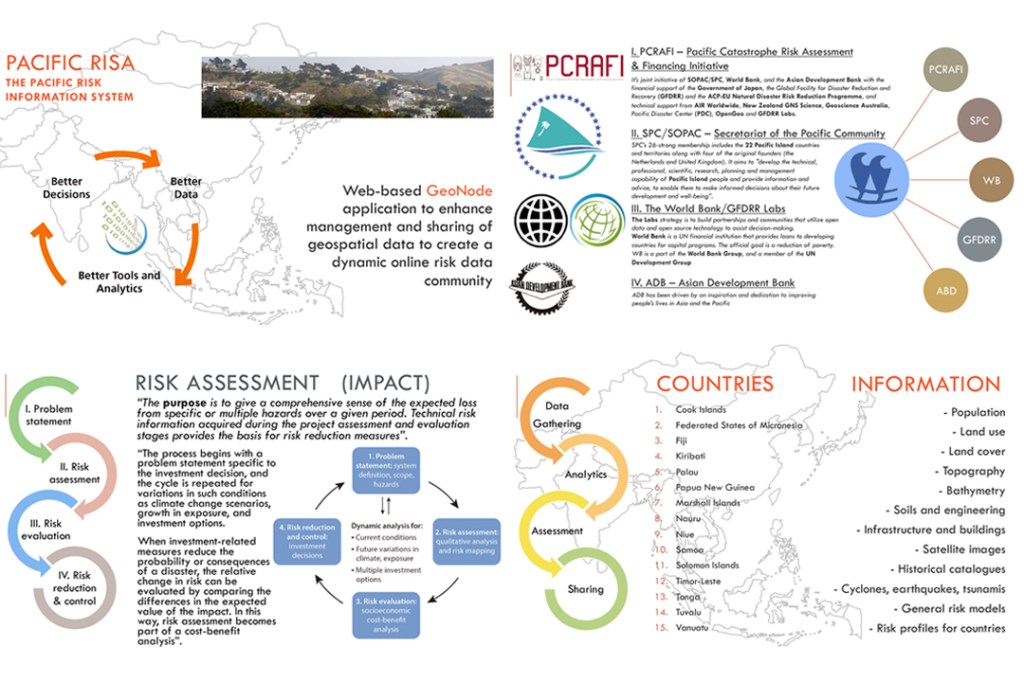
Fig. 3. Presentation on the risk assessment system.
Courses on Infrastructure and Urban Growth explore the economic and social drivers of urban expansion, including the influence of capitalist systems and large-scale development. Students analyzed global examples such as Sochi’s Olympic facilities and FIFA projects, evaluating their economic and spatial impacts.

Fig. 4. A discussion on capitalism and the works of David Harvey.
The course Urban Marketing examines how cities use iconic architecture to shape their image. The so-called “Bilbao Effect” — inspired by Frank Gehry’s Guggenheim Museum (1997) — serves as a case study for analyzing the factors that determine whether landmark projects succeed or fail.
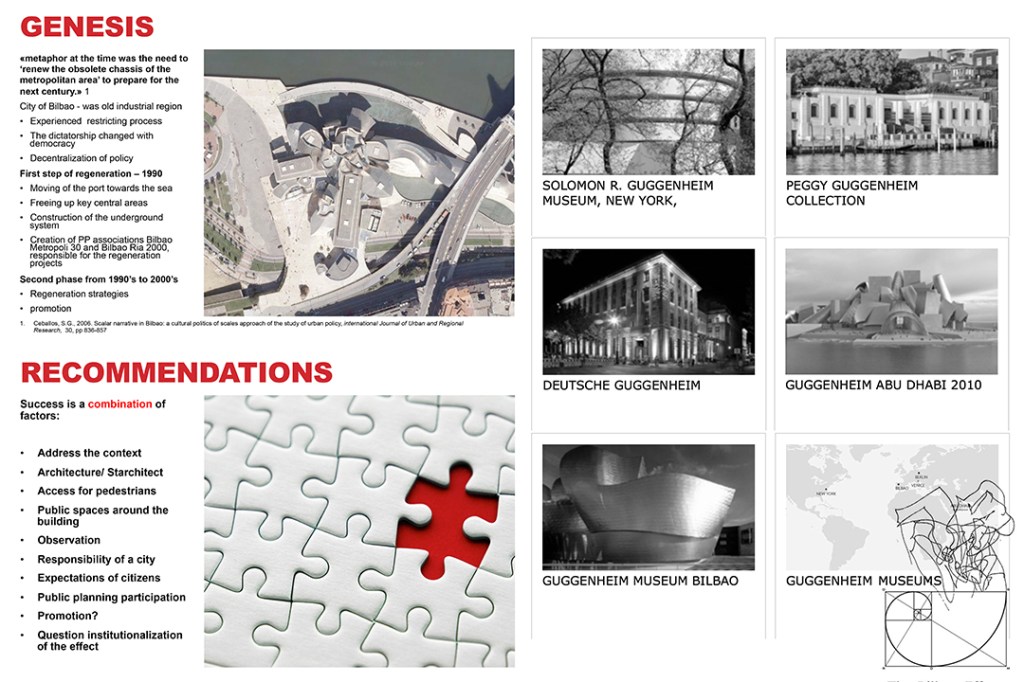
Fig.5. The Bilbao effect and the city’s marketing strategy.
International workshops and excursions
The semester’s major field trip in 2015 was to Rome, where students attended a United Nations workshop on the Sustainable Development Goals (SDGs). Lectures by partner universities were followed by team projects and presentations.
The workshop Global Change and World Responsibility addressed the broad notion of sustainability, contributing ideas later incorporated into Habitat III under the motto “The Future We Want, the City We Need.”
In May, the Belgrade study excursion offers students the chance to attend lectures, explore the city, and present workshop results — an optional but popular part of the program.
Planning, safety, and economic analysis
The second semester begins with Safety of Urban Space and Its Organization.
Students first analyze public spaces from the perspective of safety, then design proposals to improve social areas in disadvantaged neighborhoods.
The course Slum Upgrading and Humanitarian Assistance continues this theme by studying strategies for improving informal settlements and coordinating efforts among local authorities, private investors, NGOs, researchers, and residents.
Among the more technical subjects are Statistics — teaching data analysis and interpretation — and Project Financing and Budget Evaluation, based on case studies from Berlin, including the BND headquarters and major sports arenas.
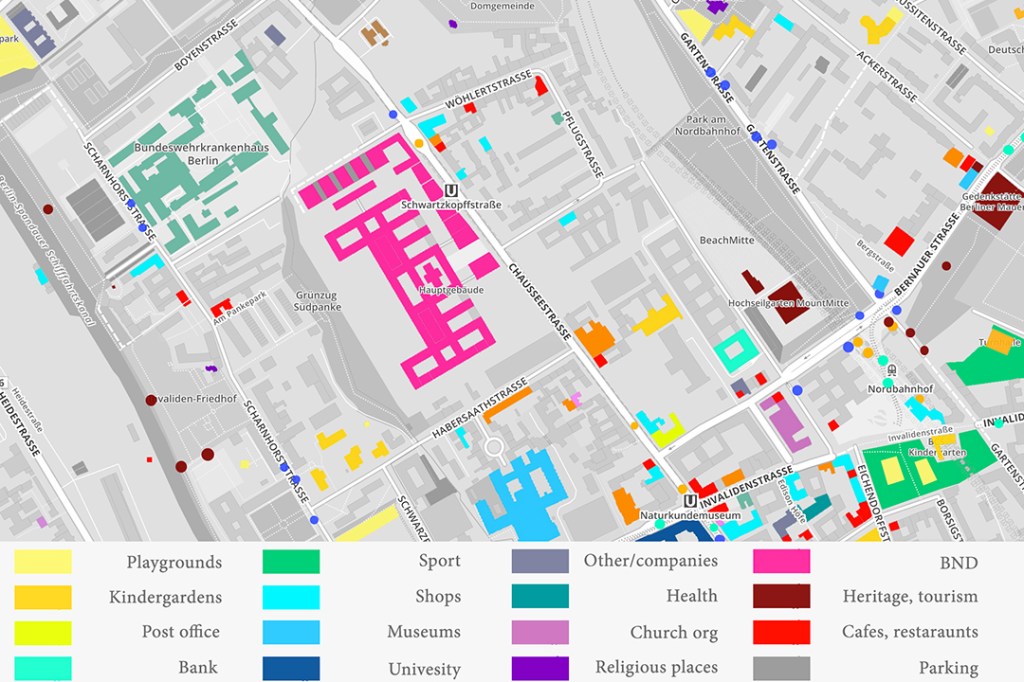
Fig. 6. Functional analysis of the surrounding district of the Bundesnachrichtendienst.
The course Sustainable City, taught by Chinese professor Su Yunsheng, adds a visionary dimension with futuristic design concepts. The group’s work was later presented at the Architectural Museum of Frankfurt.
Urban Mobility examines transport systems in more than one hundred cities, offering a detailed understanding of how mobility shapes urban development.
The academic year concludes with simulations of international committees, including the World Food Program and the UN Security Council, giving students hands-on experience in global negotiation processes.
Research and Electives
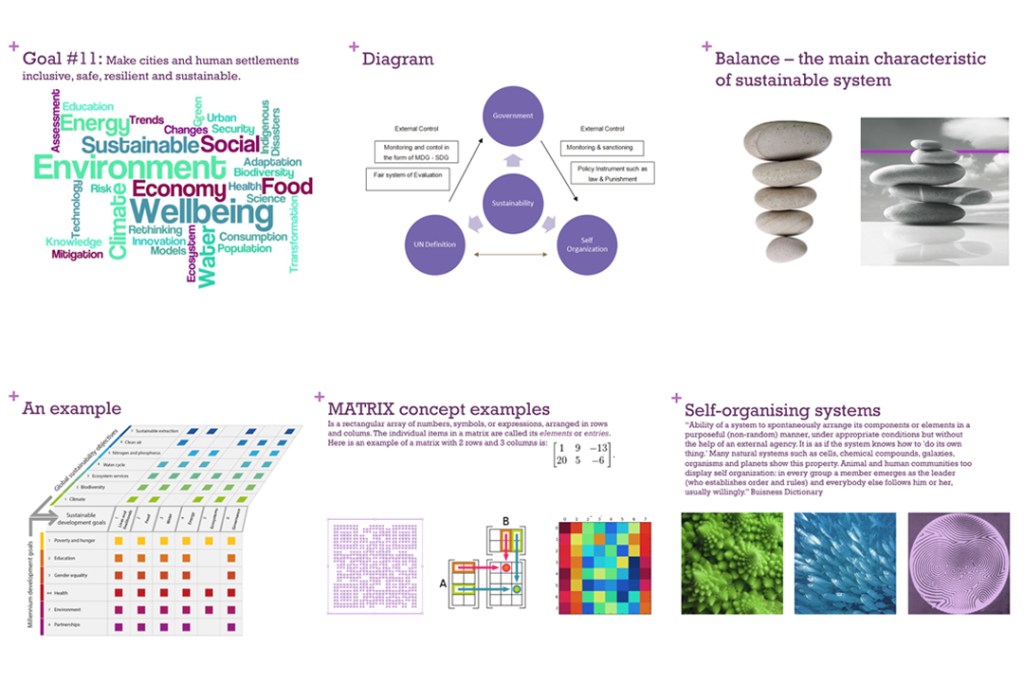
Fig. 7. An elective course on sustainability, exploring its various characteristics.
Throughout the first semester, students study Urban Economics. In the second, this is replaced by Research Proposal — where students develop their thesis topics — or Project Proposal, for those pursuing applied work.
Elective courses vary each year but may include Development of African Cities, Slum Upgrading, Creative Design, and Presentation Skills, reflecting the program’s dynamic, evolving nature.
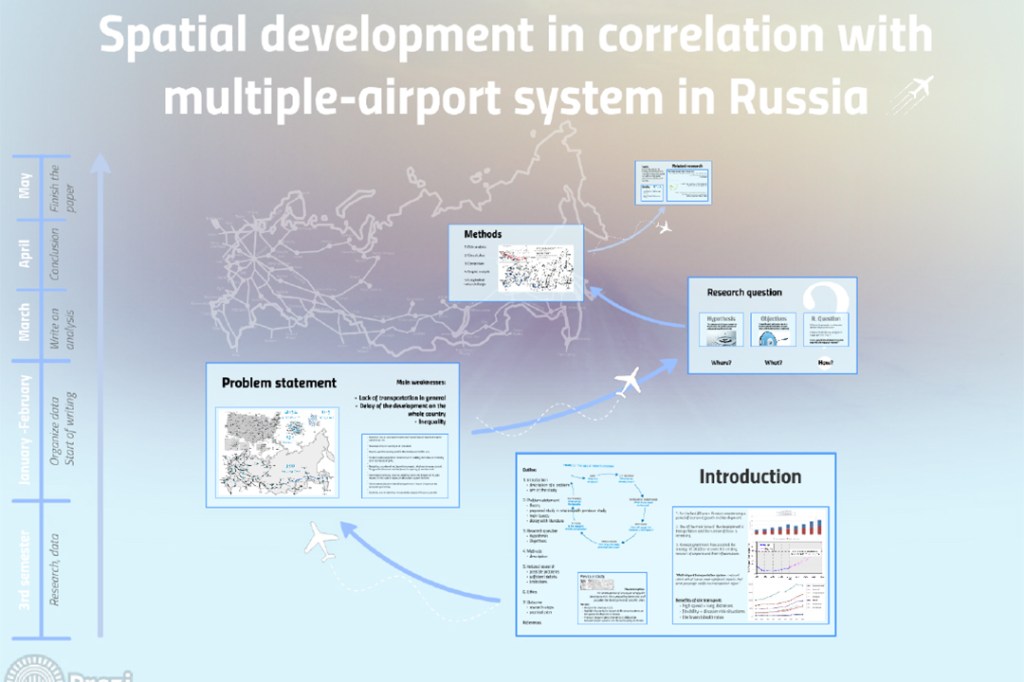
Fig. 8. Presentation of the research project.
The academic environment at TU Darmstadt
The Technical University of Darmstadt provides an excellent academic and research infrastructure.
Darmstadt, officially recognized as a “City of Science”, is home to about 150,000 residents and is located just thirty minutes from Frankfurt.
The university’s campuses in the city center and at Lichtwiese feature modern libraries with extensive collections and user-friendly digital systems. The institution’s strengths lie in engineering, technology, physics, and chemistry, supported by advanced laboratories and research workshops.
Close cooperation with engineering and pharmaceutical companies in the region provides students with valuable employment and research opportunities.
Darmstadt is very much a student-oriented city, proud of its educational reputation.
The Technical University of Darmstadt is consistently ranked among the top nine technical universities in Germany.
Mundus Urbano stands out for its interdisciplinary approach, international diversity, and practical engagement with real-world urban challenges.
It combines academic depth with field experience, equipping graduates to work across cultural and professional boundaries — as urban planners, researchers, and policy makers shaping more sustainable and inclusive cities worldwide.

 Personal website